Tip of the Spear – The Critical Role of the Building Safety Manager
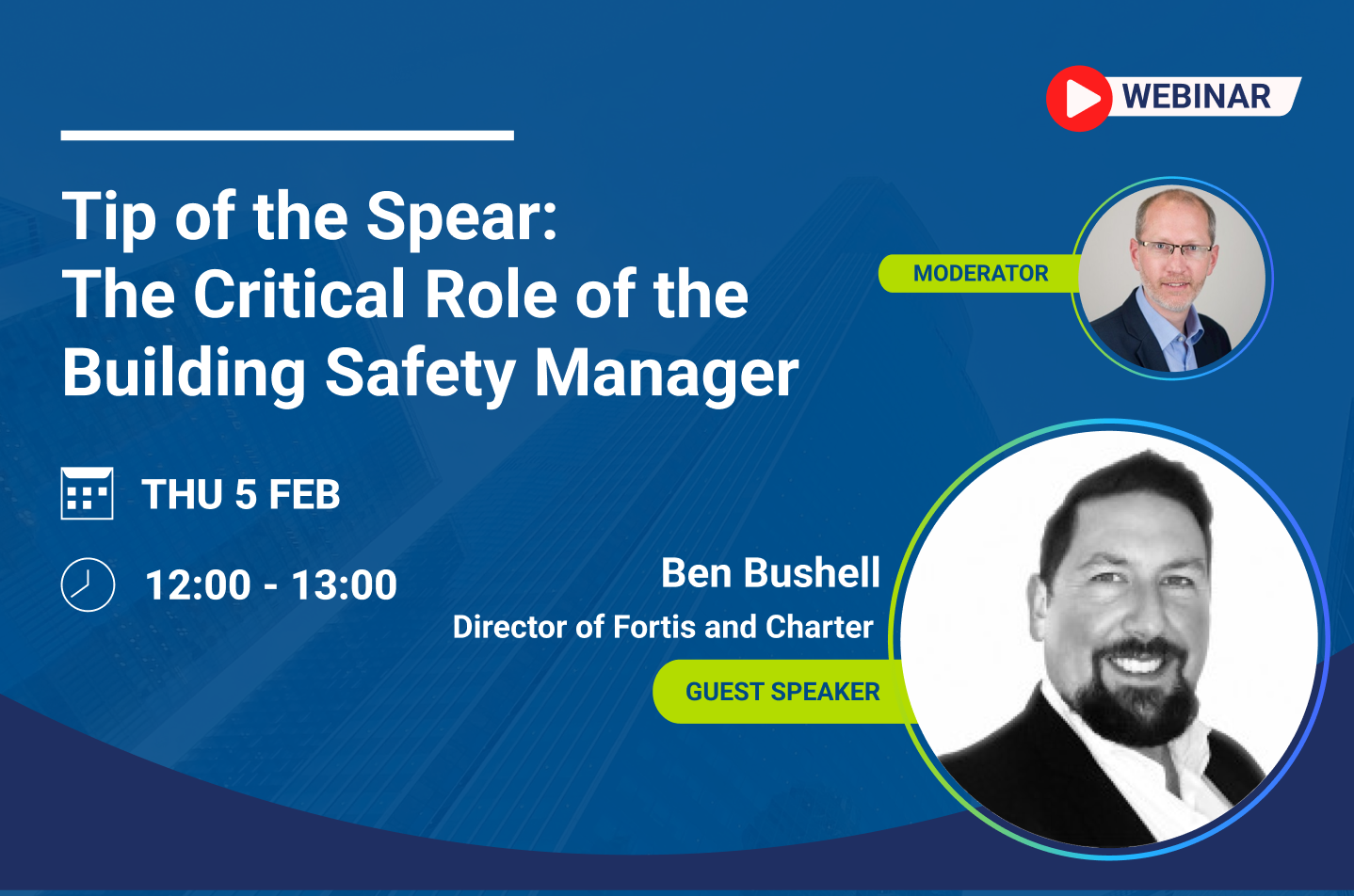
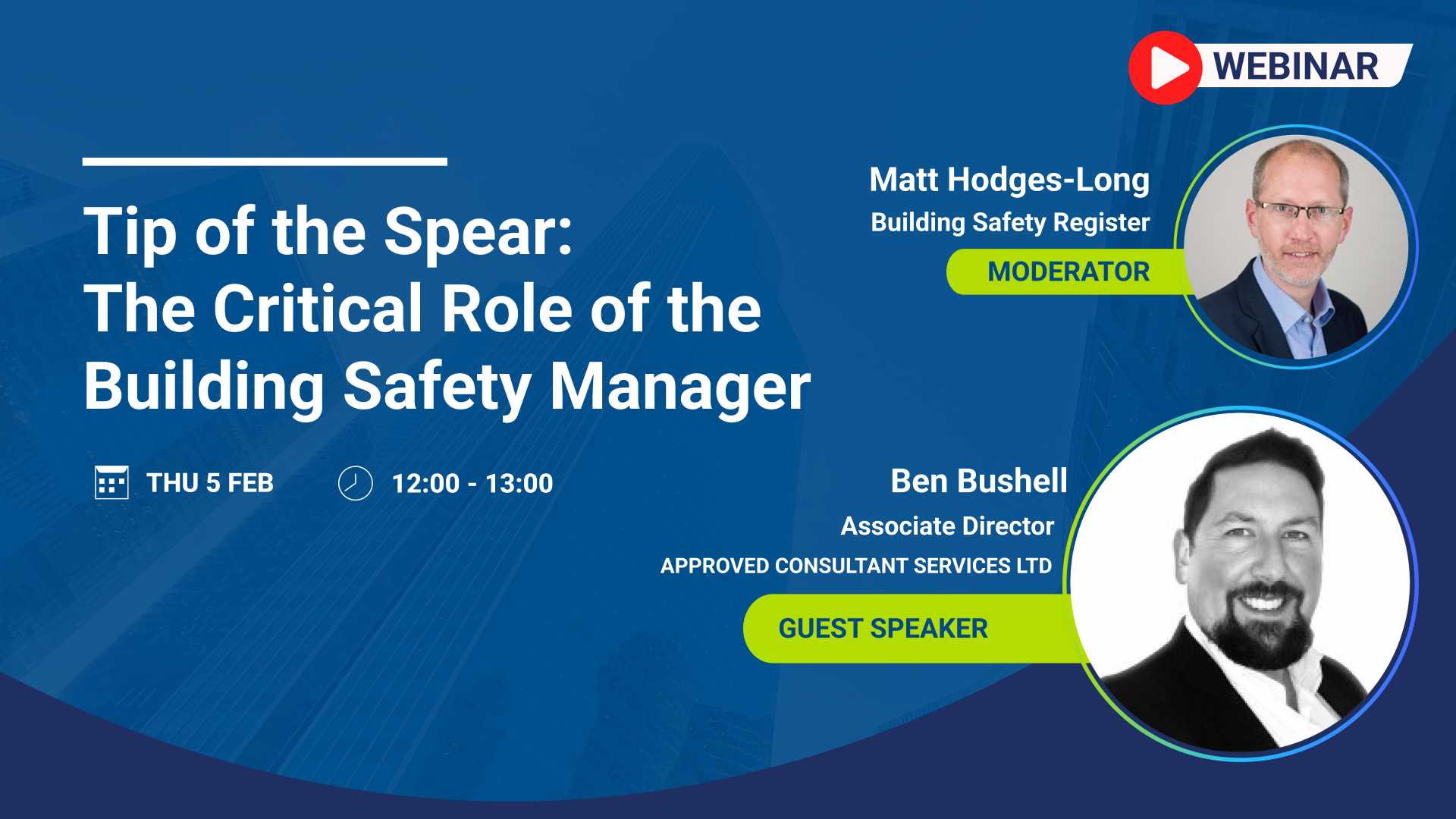
The first Lunch & Learn of 2026, hosted by Matt Hodges-Long, focused on a role that sits at the sharpest end of building safety delivery: the Building Safety Manager (BSM). Joined by Ben Bushell, Director at Fortis and Charter, the session explored why the Building Safety Manager remains central to compliance, assurance and regulatory readiness.
Overview
This Lunch & Learn explored the evolving role of the Building Safety Manager within the Building Safety Act regime, particularly in the occupation phase.
Although the BSM role was removed from primary legislation in 2022, the duties, expectations and costs associated with the role remain very real. The session examined how Building Safety Managers act as the quality assurance (QA) function at the heart of the safety case, ensuring buildings are regulator-ready, information is accurate, and risks are properly understood.
Topics included competence standards, programme maturity, regulatory readiness, benchmarking costs, resident information sharing, and the increasing importance of structured systems and human oversight.
Here are the key takeaways from the session:
Details
1. The Building Safety Manager role never really went away
Matt Hodges-Long traced the origins of the BSM role back to Dame Judith Hackitt’s Building a Safer Future report. While the role was removed from primary legislation following concerns about cost, its responsibilities were not removed.
In practice, organisations are still expected to manage:
- the safety case report
- the golden thread of information
- mandatory occurrence reporting
- resident engagement and information sharing
The work still exists, only the job title disappeared.
2. Many organisations are not regulator-ready
Data shared during the session showed that 73% of determined Building Assessment Certificate applications have failed, indicating that many dutyholders are not prepared for assessment.
Matt emphasised that organisations cannot rely on regulatory delay or inefficiency as a strategy. Buildings can be called forward at any time and must be ready to submit within the 28-day notice period.
Ben Bushell reinforced that readiness means being able to demonstrate understanding, not just produce documents.
3. The Building Safety Manager is the QA layer
Both speakers stressed that the BSM acts as the quality assurance function between contractors, Accountable Persons, Principal Accountable Persons and residents.
Ben shared examples where safety case documentation did not reflect the real condition of buildings on site, highlighting the importance of verification, interpretation and human sign-off, not just document collection.
Without QA, digital systems risk becoming sources of false assurance.
4. Competence matters and must be evidenced
The session referenced PAS 8673, which defines six pillars of competence for building safety management. While formal qualifications (such as the CIOB Level 6 Diploma) exist, competence can also be achieved through integrated teams of specialists.
However, responsibility cannot be outsourced.
The Principal Accountable Person retains legal liability, even where delivery models are hybrid or fully outsourced.
5. Safety management has a real, ongoing cost
Benchmarking shared during the session suggested that a realistic annual cost per high-risk building for a Building Safety Manager programme sits between:
£15,000 – £25,000 per HRB per year
This includes staff, systems, and regulatory costs (such as BAC determination fees amortised over time). While significant, both speakers agreed that the cost of non-compliance or a serious incident is far higher.
6. Maturity and automation are the next frontier
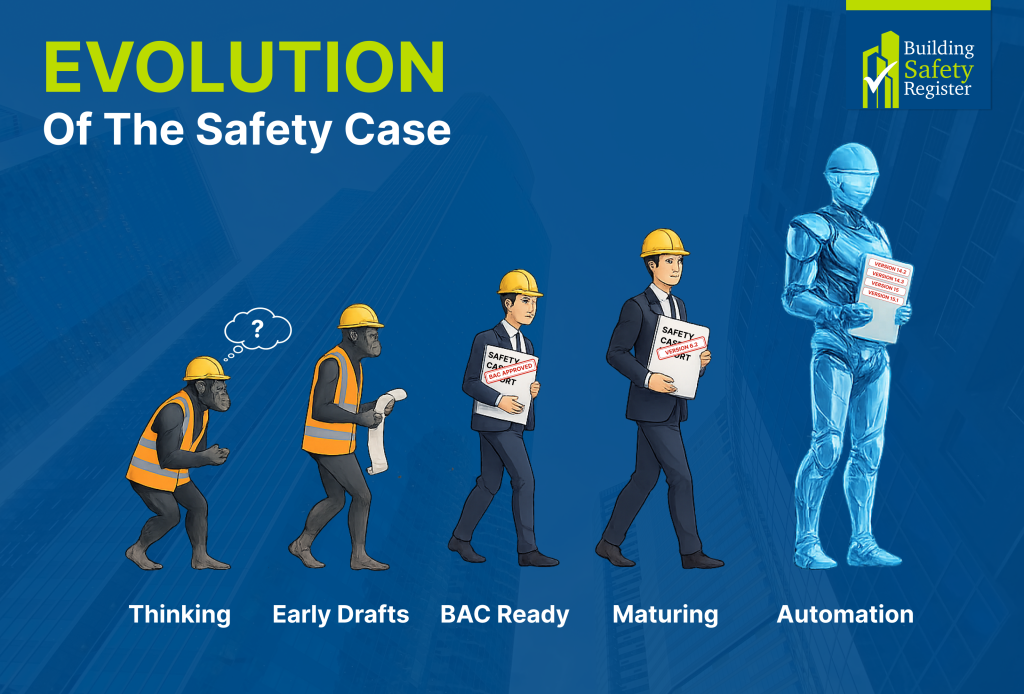
Matt outlined stages of safety programme maturity, from early drafting to being “BAC ready” and ultimately moving toward automation.
Automation is not about removing people from the process, but about:
- reducing duplication
- lowering delivery cost
- maintaining a single source of truth
- freeing professionals to focus on judgment, not admin
The session closed with a call to “break inertia”, encouraging organisations to act, assess where they are, and move forward incrementally rather than doing nothing.
Summary
This session reinforced that the Building Safety Manager remains central to the integrity of the Building Safety regime, even without formal statutory recognition.
The message for 2026 is clear: effective building safety depends on competence, structure, human oversight and continuous assurance.
Digital systems will play an increasing role, but they cannot replace the professional judgement that underpins safe buildings and confident regulation.
The next session will take place on Thursday 5th March 2026 at 12:00 PM.
Watch the video replay of our Building Safety in 2025 Year in Review webinar
Watch video replayDownload the Building Safety in 2025 Year in Review webinar slides
Free downloadResponsible for a Higher-Risk Residential Building?
Are you responsible for a Higher-Risk Building and need to review your compliance position under the Building Safety Act?
Our team provides structured support to help you get regulator ready.
Speak to Our Team